
Enhance your curiosity with poetry with lead poet Rebecca Hurst.
Three new direct-to-the-classroom video prompts inspire pupils of all ages to share their scientific ideas and understandings in creative ways.
Voices from the Earth
Scientists, like poets, communicate knowledge and information through stories. Use your curiosity and imagination to travel inside the rock and listen to what it has to say.
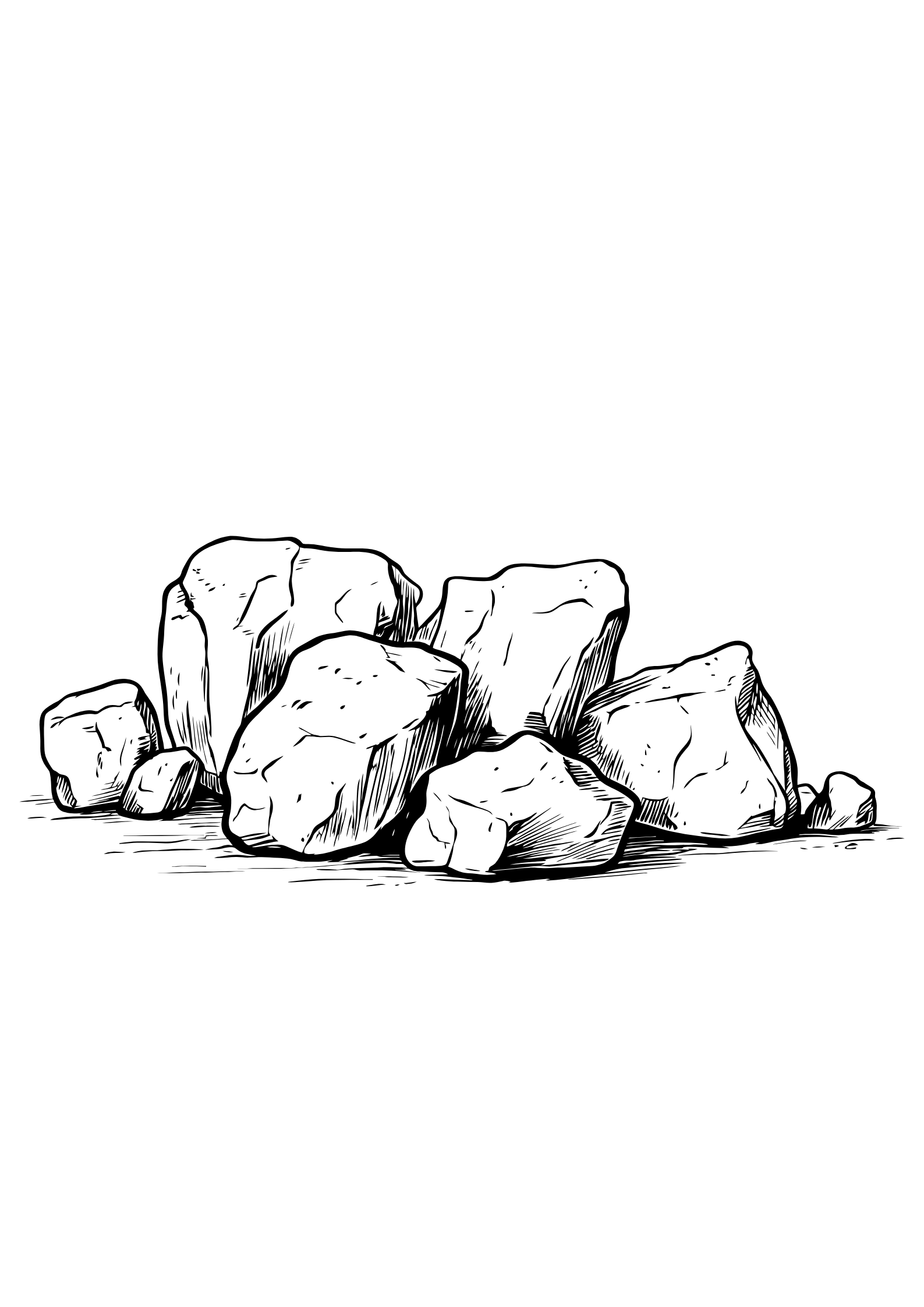
Scientists use lots of adjectives to describe their observations and the properties of materials, including rocks. For example, is the rock hard or soft? What is its texture, shape and colour?
Understanding the observable features and properties of materials help scientists learn about the world around them and share what they have discovered. Writing poems allows poets to describe and connect with the world and share what they observe and feel with others.
Rebecca Hurst introduces the Great Poetry Share Prompt, Voices From The Earth
Duration: 2 minutes 49 seconds
Your task: Tell the story of a rock in its own voice.
Using your knowledge of the rock cycle and the formation of the three types of rocks, tell the story of a rock in its own voice. Your words should create a powerful visual image - one that is rich in detail as well as using key scientific vocabulary. Add layers of detail based on our five sense, sight, sound, smell, touch and taste, to bring your rock to life.
In your poem, include at least one detail based on sound, smell, or touch, in addition to sight, e.g. in Jen Hadfield’s poem, ‘Dolmen’ we learn that the standing stones she is writing about smell like ‘bruised mushrooms’.

Why Rocks Matter
Communities have shared their history through storytelling for generations. In a similar way, scientists are great storytellers, communicating their discoveries through words and images, graphs and diagrams.
Dr Anjana Khatwa describes how two different knowledge systems, indigenous and scientific, help frame human experience within the context of vast planetary processes.
Writing poems is also a way of communicating with other people. Poets use imagery, metaphors, rhythm and rhyme to share their stories.
Rebecca Hurst introduces the Great Poetry Share Prompt, Why Rocks Matter - Duration 3 minutes 13 seconds
Your task: Create a narrative or develop a metaphor that describes the transformations which happen during the rock cycle and how these changes might be connected to human culture and experience.
Include at least one simile in your poem. A simile is a comparison that uses words ‘like’, ‘as’ or ‘than’ to compare or connect one thing with another.
For example, ’Her anger was like a volcano’ or from Abigail Flint’s poem ‘Flints’ ‘a man who opened barrows* like books’. The poem ‘Flints’ is taken from Vestiges: The Past in the Peaks, 2021, commissioned and edited by Melanie Giles - Melanie.Giles@manchester.ac.uk
*an earth and stone burial mound.
It’s easy to share! Upload onto your preferred social media channels - or use the GSSfS Poetry Uploader below.
Link with us @GreatSciShare using the hashtag #GSSFS2026

Creative Manchester is an interdisciplinary research platform based at The University of Manchester. The platform champions research in creativity and creative practice, bringing together research communities with external partners to explore new research areas and address strategic opportunities.
The University of Manchester Schools Poetry Competition, 2026 is now open. This year’s theme is Globally Curious. The deadline to submit your poems is 2nd April 2026 with the winners announced on 11th May 2026.
Please contact Dr Rebecca Hurst, Lecturer in Creative Writing at rebecca.hurst-2@manchester.ac.uk for more information and to see if you are eligible to enter.
To view the winning entries from 2025 click the link below:
Now explore more in the Great Science Share for Schools suite of resources.


