

Great Science Share for Schools and Let’s Do Drama: bringing science to life through drama and oracy
At Great Science Share for Schools, we are always looking for creative ways to help pupils engage with science, ask questions and share their ideas with confidence. That is why we are delighted to be collaborating with Let’s Do Drama to show how drama and oracy activities can transform science learning in the classroom.
Science is full of curiosity, discovery and communication. Pupils need opportunities not only to learn scientific knowledge, but also to discuss ideas, explain their thinking and make sense of the world around them. Drama offers a powerful and engaging way to make this happen.

Why drama in science?
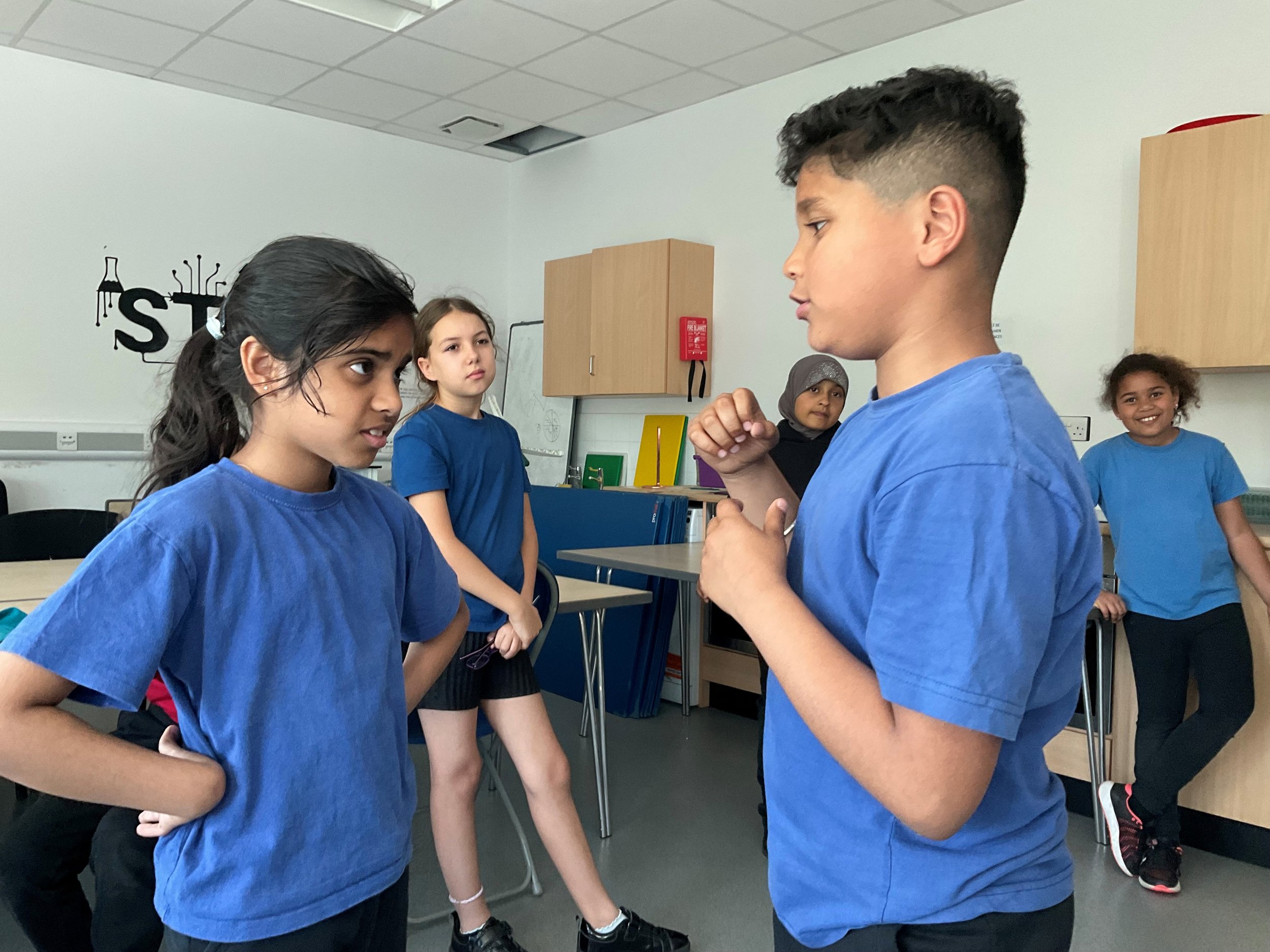
Drama creates meaningful contexts for learning. Through role-play, hot seating, freeze frames, storytelling, and debate, pupils can step into the shoes of scientists, animals, explorers, or investigators. This helps them to explore scientific concepts actively rather than passively receiving information.
For example, pupils might:
construct freeze frames of scenes from Mary Anning’s life
act as rock statues
role-play an astronaut's day off
create a conscience alley about the absence of light
present scientific findings as news reporters
These approaches make learning memorable, purposeful and creative.
Supporting oracy through science
Oracy, the ability to express ideas clearly and communicate effectively, is essential for success in school and beyond. As the February 2026 Department for Education white paper Every Child Achieving and Thriving states:
‘We want speaking to be recognised as a core foundation of education, alongside reading, writing and numeracy. Strong speaking skills are essential for building children’s communication, helping them develop fluency and the confidence to negotiate, debate and discuss ideas.’
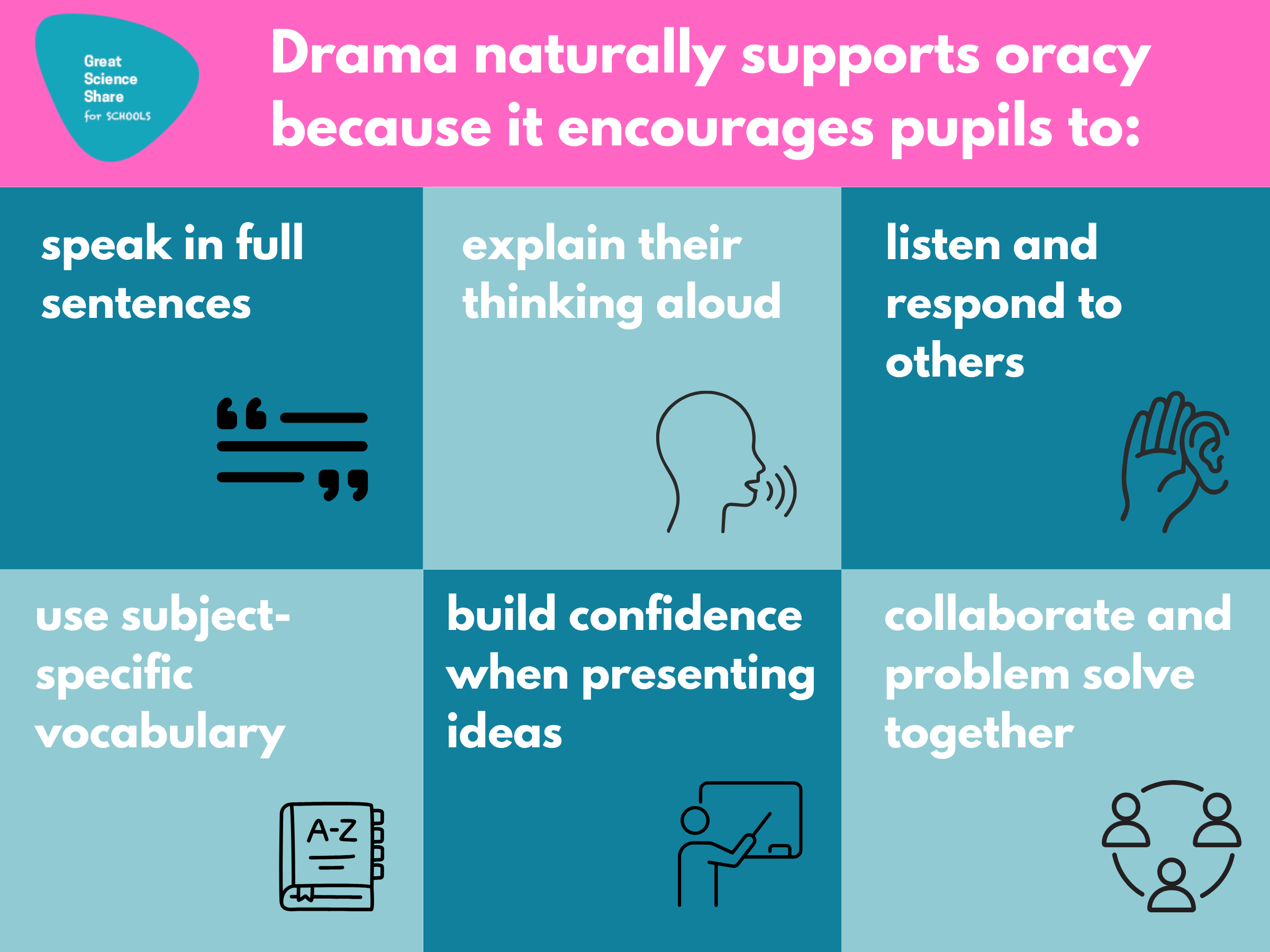
Science lessons provide rich opportunities for pupils to talk, reason, debate, question and justify their ideas. When pupils rehearse ideas through talk, they deepen their understanding, and in science this enables tricky concepts to be understood.
What does the research say?
Our collaboration is grounded in evidence-informed practice. The Education Endowment Foundation’s Improving Primary Science Guidance Report highlights the importance of talk, explanation and real-world relevance in science learning.
Two recommendations are particularly relevant:
Recommendation 2. Encourage pupils to explain their thinking, whether verbally or in written form
Drama and oracy strategies provide natural opportunities for pupils to articulate their understanding, justify choices and discuss scientific ideas. Whether answering in role, debating a viewpoint or narrating an investigation, pupils are constantly explaining their thinking.
Recommendation 4. Relate new learning to relevant, real-world contexts
Drama helps pupils connect science to real people, places and problems. By exploring scenarios and taking on roles, pupils see how science applies beyond the classroom and why it matters in everyday life.
Our collaboration with Let’s Do Drama
Let’s Do Drama have developed resources linked to the Great Science Share for Schools enquiries Animal Action and Rock Reporters.
In the Animal Action resource ‘Best in Show’, pupils create a role play about an invertebrate who has won ‘Invertebrate - Best in Show’ in the style of a dog show, such as Crufts! They incorporate the classification information they know about the given invertebrate to create a commentary about the winning invertebrate.
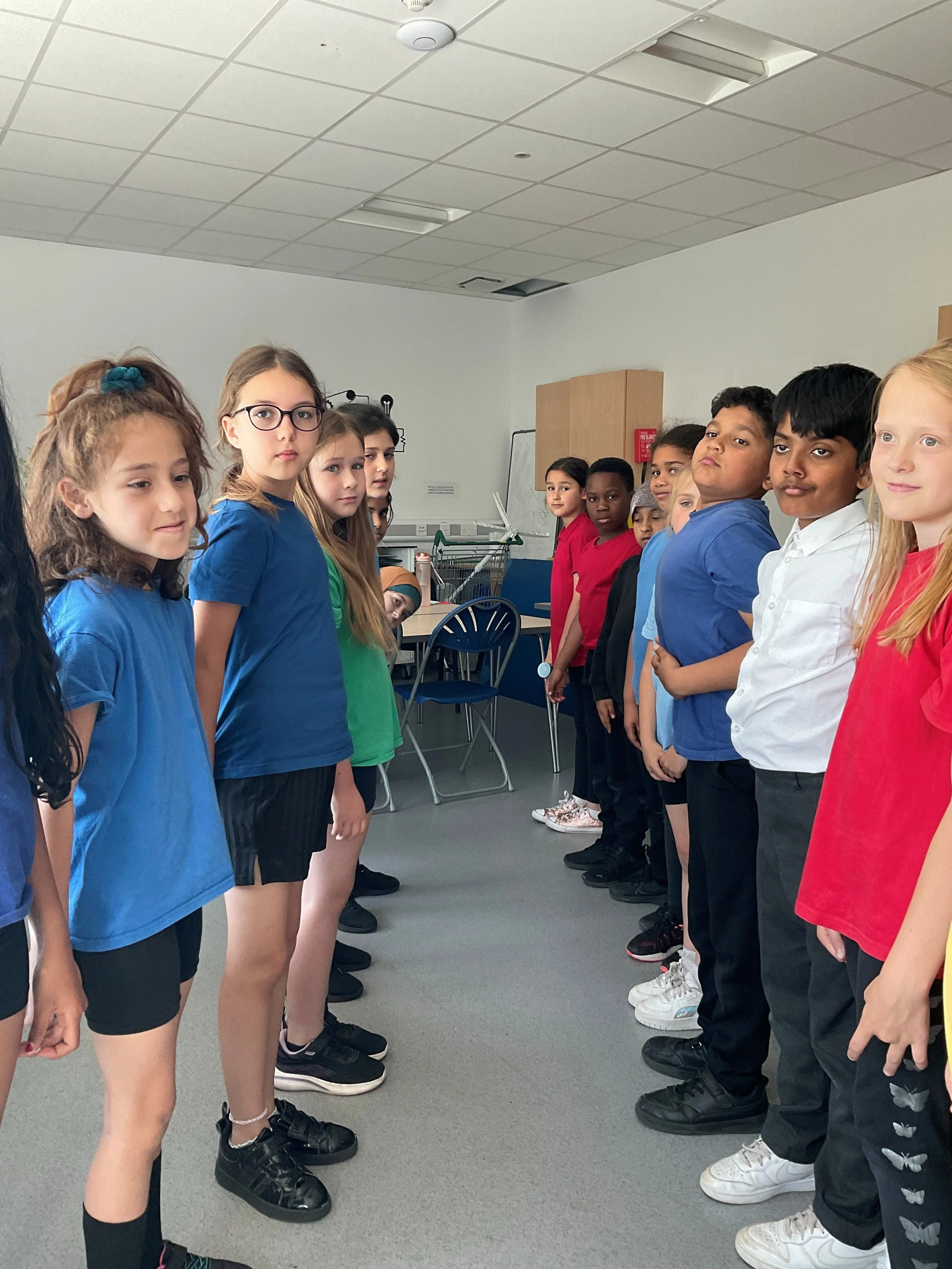
In the Rock Reporters resource, pupils watch an interview with Mary Anning and then use their bodies to construct Freeze Frames of scenes from Mary’s life. Then, the Lead Adult uses the Thought Tapping strategy to find out what each member of the Freeze Frame is representing, before answering in role.

These resources demonstrate how simple drama strategies can deepen scientific understanding while building confidence in communication.
Teachers do not need to be drama specialists to use them. The activities are practical, accessible and designed to slot easily into classroom practice.
“Drama is a brilliant vehicle to get children to talk out their ideas, to show you what they know, to practise all those very specific words which only come up in the science curriculum.. and the real joy is that it doesn’t feel like work - it feels like play. Let’s bring more play into to the classroom: playing a character, modelling a structure, acting out a sequence - it’s all very applicable to the learning of science”. Jules Pottle, creator of Let’s Do Drama
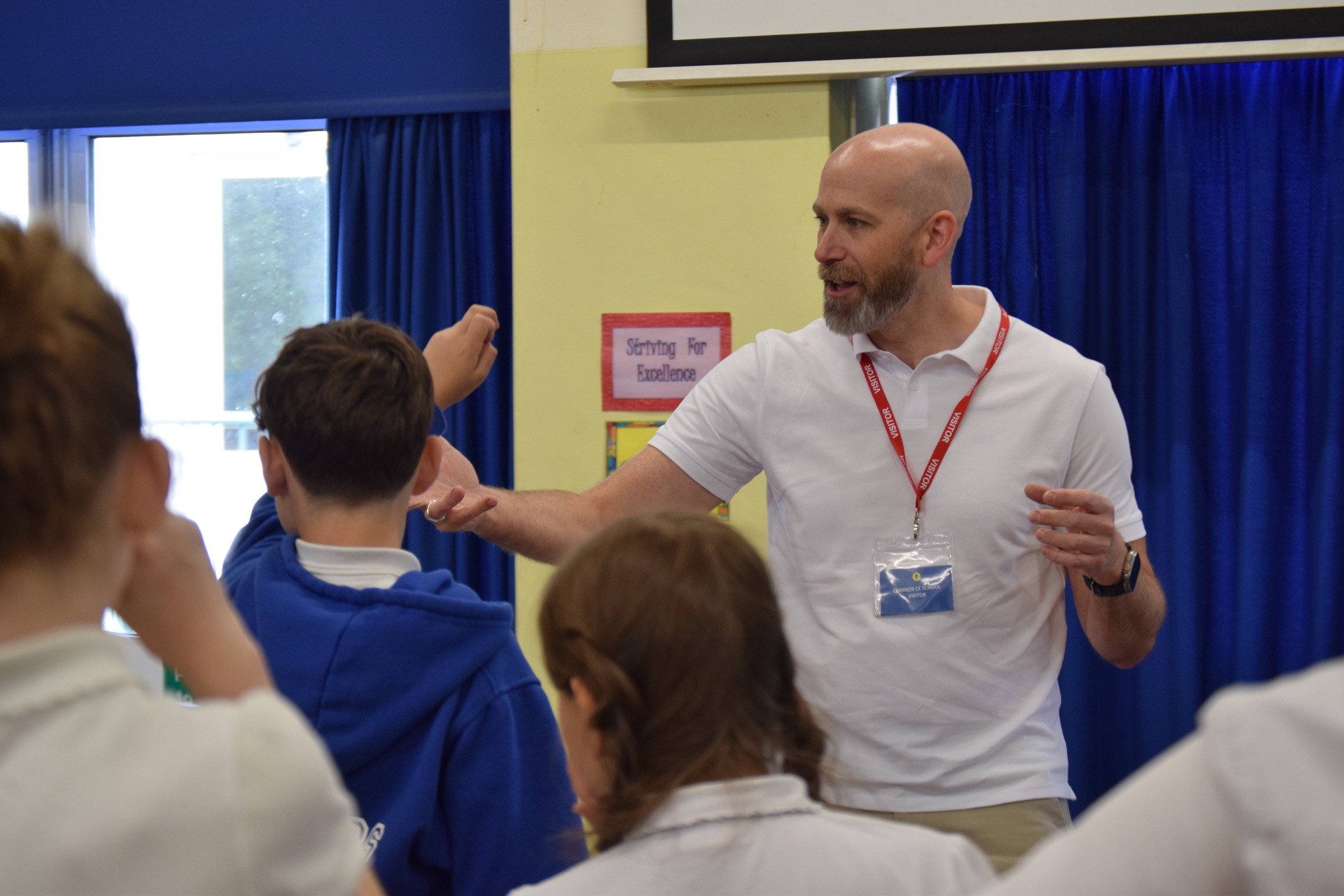
Have a Go!
Try the resources on the Let’s Do Drama website. Choose one activity. Give it a go in your next science lesson. See how your pupils respond when they are given the chance to move, speak, imagine and explain. You may be surprised at how quickly confidence grows, vocabulary improves and scientific thinking comes to life. Because when pupils can talk science, act science and share science — they truly begin to own it.