
Will you be watching the 2023 Eurovision Song Contest? Originally held on May 24, 1956, it saw seven nations compete - this year there will be 37! A fabulous occasion which relies on so much science, technology and engineering to make it happen.
For the first time, GSSfS launches a Eurovision-inspired blog - another perfect opportunity to continue to inspire your pupils to ask, investigate and share their scientific questions with new audiences.

Ask-Investigate-Share

5-7 year olds
What are the sounds we can hear like? How can we sort them?
Encourage children to notice the difference between sounds through sensory play. Are they loud or quiet? High or low?
What’s the sound? Where is it coming from?
Go on a sound hunt to encourage children to close their ideas to listen to different sounds. Encourage them to sort sounds by describing and identifying them. Explore a wide range of sounds and grouping and sorting them e.g. bird song, door bells, traffic, typing on a keyboard, bubbles through a straw.
How is the traditional music of European countries the same or different? Research secondary sources to investigate the cultural influences of each country.
What shape or material makes the best ear trumpet? Enquire using a fair test to gather and interpret evidence.

Which is the best material for muffling sound? Imagine people aren’t enjoying what they hear… use fair testing to investigate if there are ways to muffle the sound?
What factors affect the pitch and the volume of sound?
For more inspiration, visit the Royal Society’s videos and investigation hosted on STEM Learning HERE
How does the volume of water in a bottle affect the pitch of the sound created?
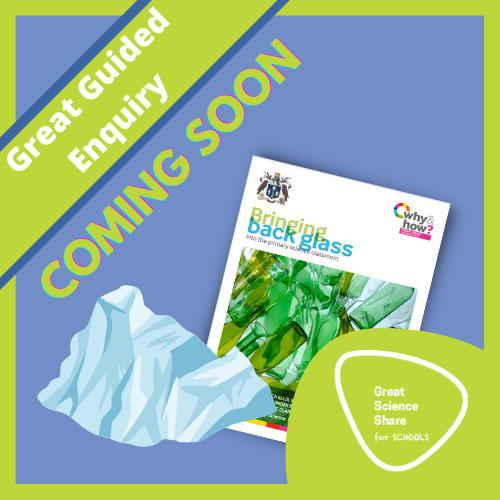
Encourage pupils to use their skills of fair testing to gather evidence and draw conclusions. For additional support, see the ‘Creating a glass musical instrument’ on page 18 of the Primary Science Teaching Trust’s Bringing Back Glass resource HERE
Is there a link between the type of music we sing and the volume we sing it at? Look for patterns during singing assemblies or lessons. Use data loggers or apps to accurately calculate the volume.

11-14 year olds
How does the medium affect the volume of sound we hear? Investigate and measure sound waves by exploring the affect of no air, air, water and solids on the volume of sound produced. Extend this by developing understanding about the speed of sound and how it is proportional to the density of the medium. Update pupil’s knowledge using the Sound Waves BBC Bitesize resources HERE
Access GSSfS Skills Starters to support pupils in their enquiries

Videos and resources direct-to-the-classroom

5-7 Conclusion Creator
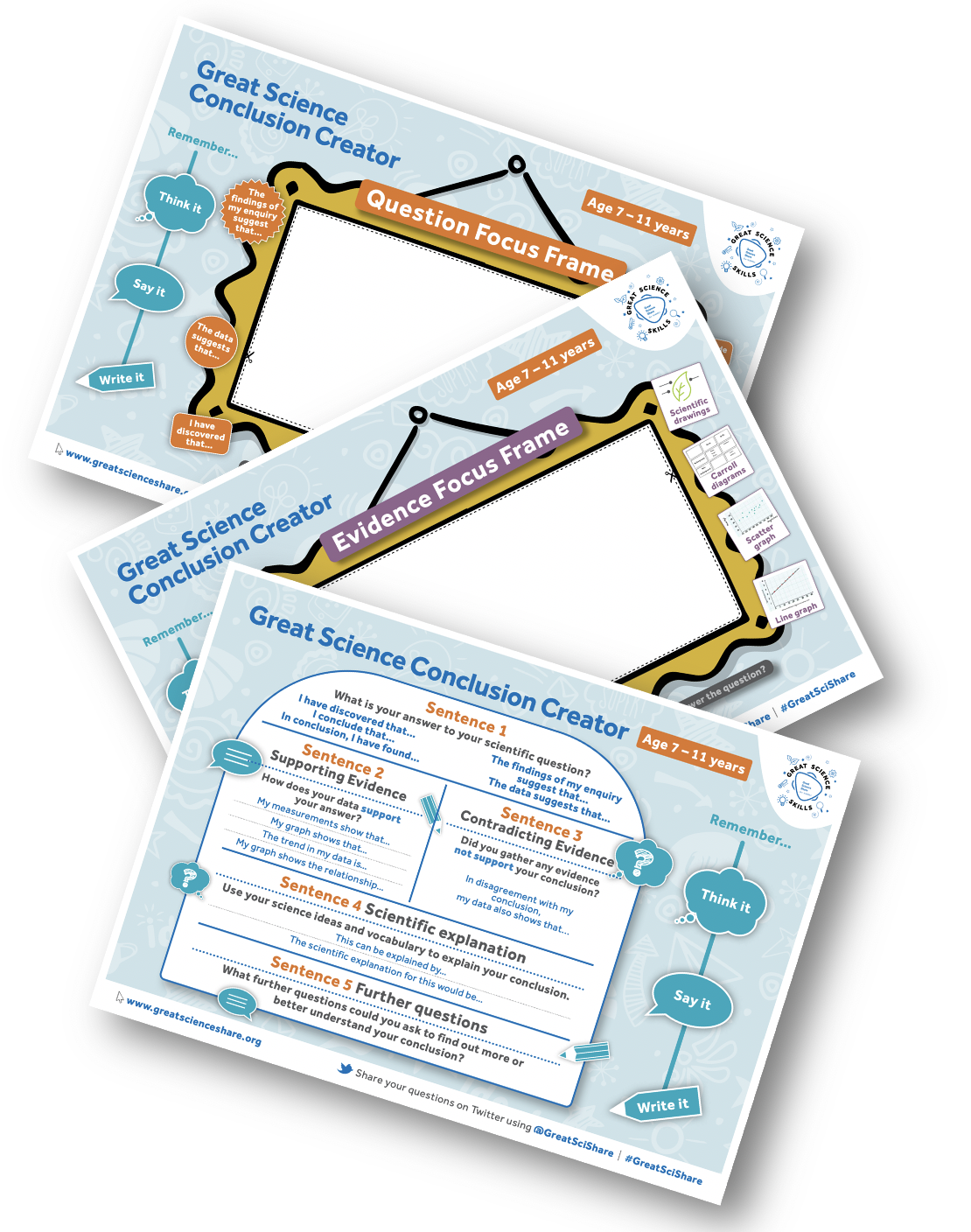
7-11 Conclusion Creator
Linked resources from the GSSfS Community

Use the Ogden Trust’s Research cards on Sound to support research by secondary sources, or the Phizzi focus: sound that includes links to ideas, resources, and cross-curricular connections, to bring the topic of sound into the primary classroom

Ourselves is a provision map showing activities to promote learning about what the human body can do. Part of the Primary Science Teaching Trust’s Play Observe & Ask Early Years resource.

Sounds like Science is part of the British Science Association’s National Science & Engineering Week activity pack series. Explore the links between science and music with endless opportunities to explore themes ranging from the physics of sound to acoustics and the psychological effects of music in medicine, as well as the association between maths and music.


BBC Bitesize resources on Sound. Exploring pitch, volume and how sounds are made.
Share your enquiries and experiences with the @GreatSciShare Twitter community #GSSfS2023