

2027 theme announcement!
Sensory Science
2027 theme announcement! Sensory Science
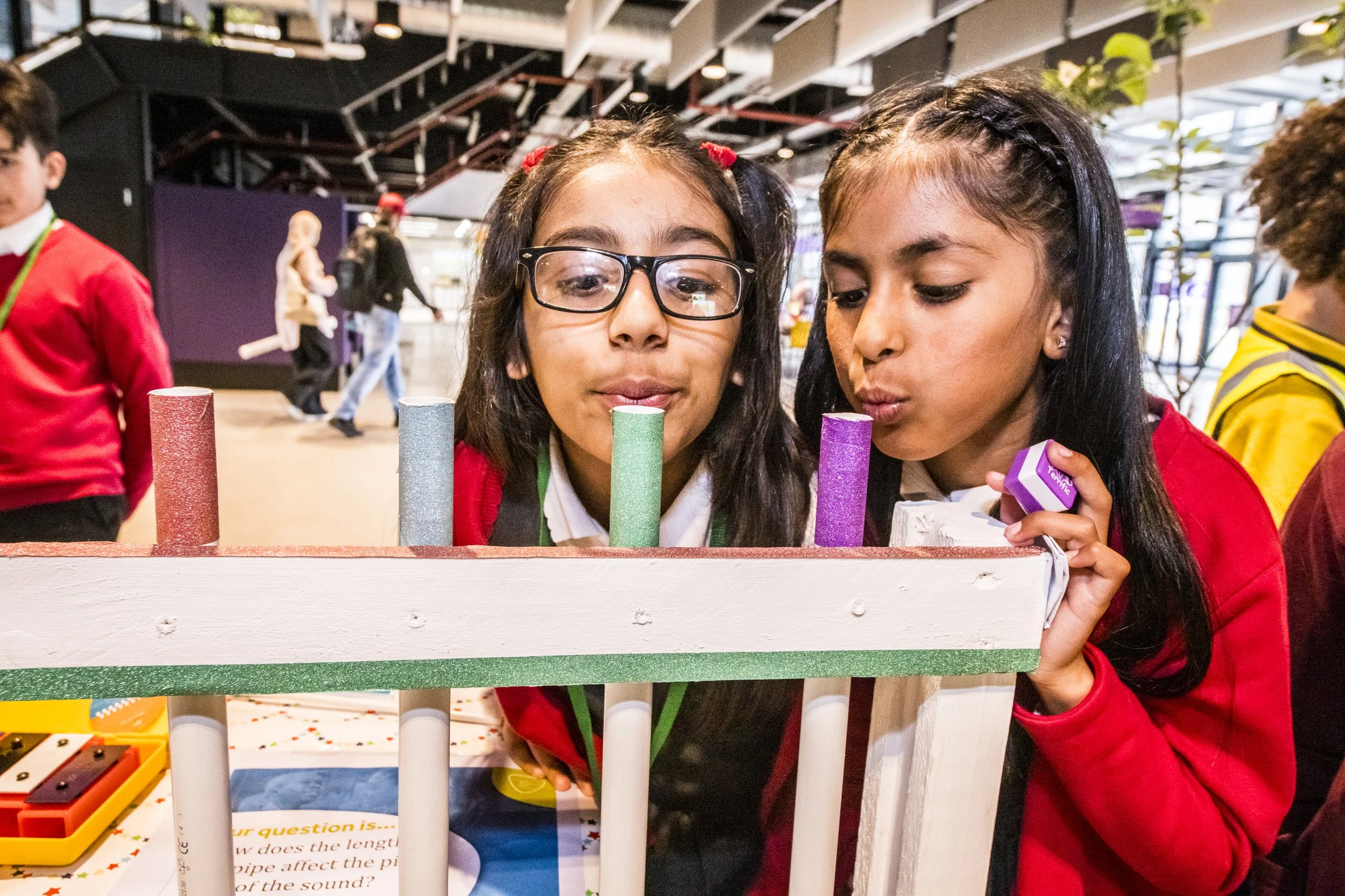
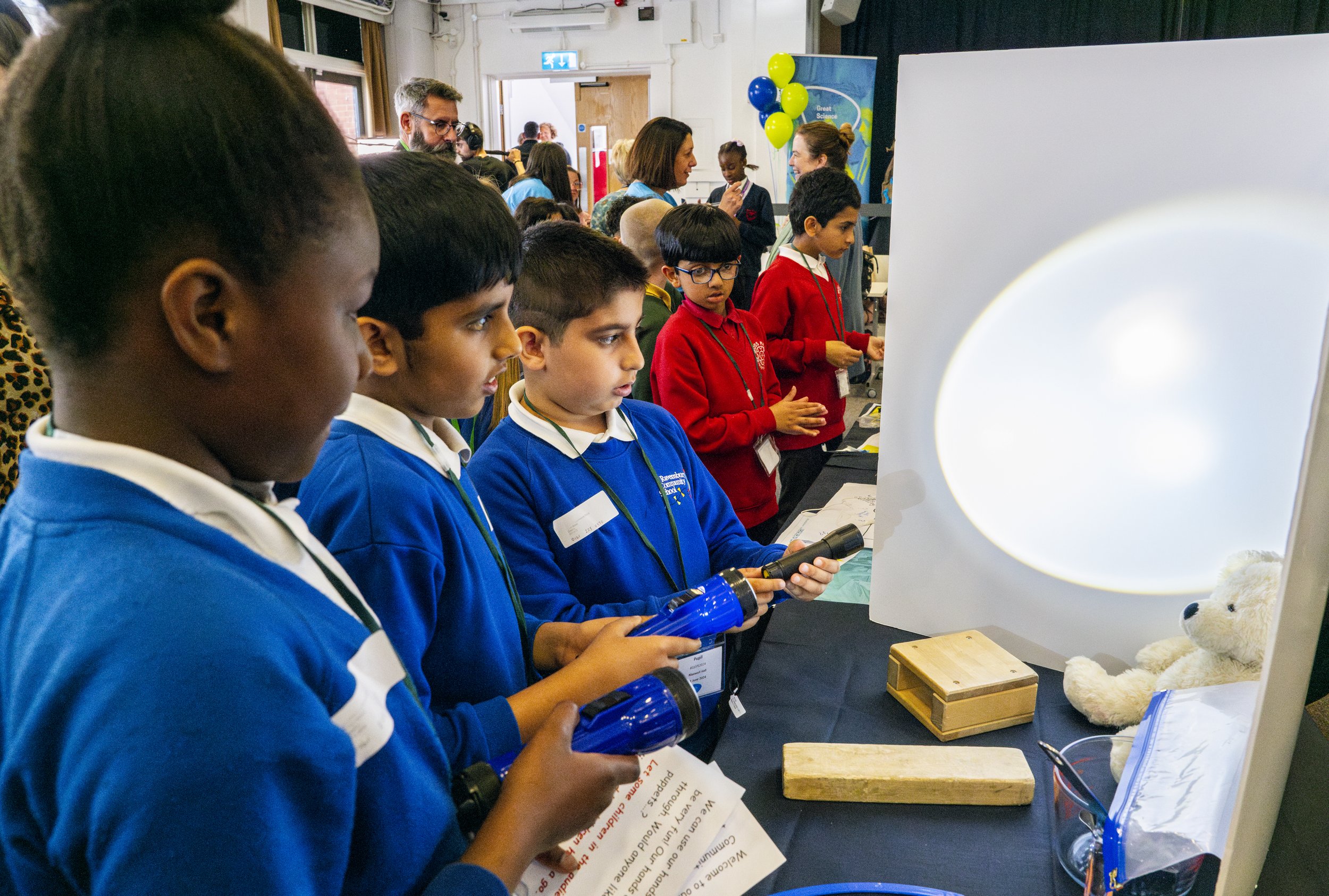
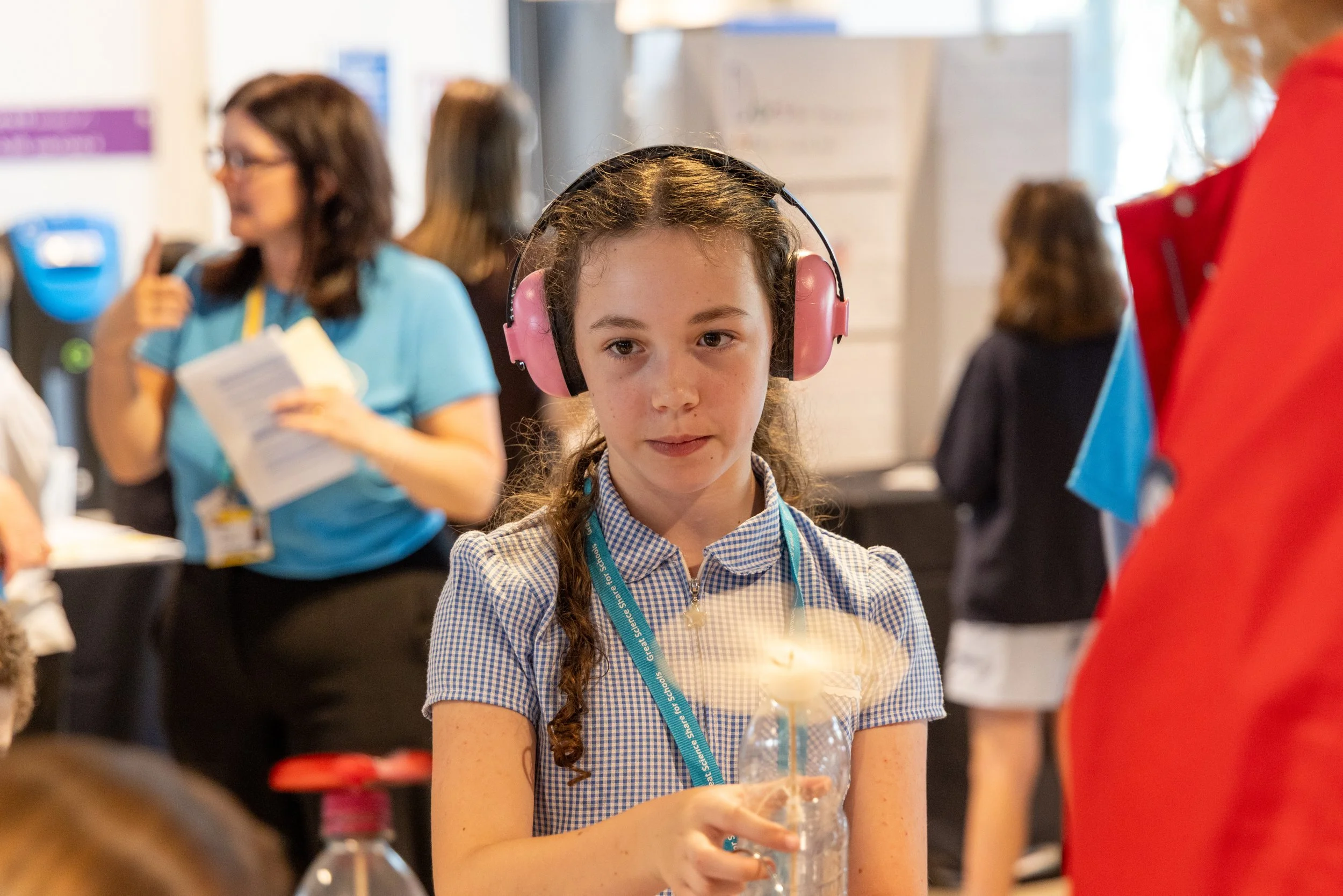
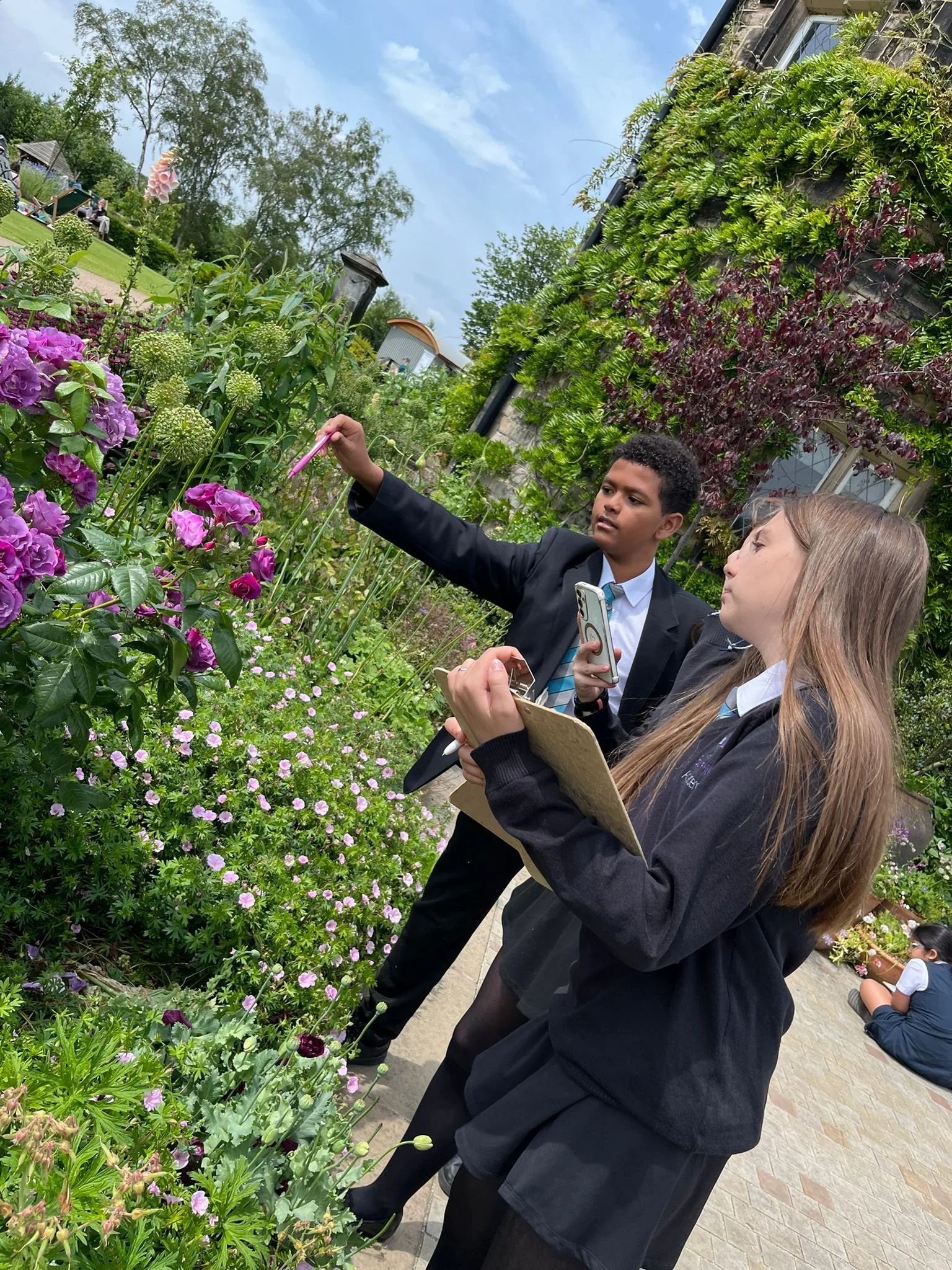
Sensory Science invites pupils to explore the world around them through sight, sound, touch, smell and, (where appropriate!) taste. Through sensory exploration, pupils:
become curious about the world around them
gather evidence
communicate their discoveries with others.
By using their senses to notice both the obvious and the less obvious features of their surroundings, pupils will develop key Working Scientifically skills as they:
observe closely
compare
identify patterns
sort and group objects and materials
So, adjust your eyepieces, prick up your ears, immerse yourself in your surroundings, and be inspired!
It’s time to generate your own meaningful scientific questions, it’s time to Ask, Investigate and Share.
Great Science CPD
How can we make primary science more accessible, inclusive and meaningful for every pupil?
‘Sensory Science’ provides fantastic opportunities for pupils to explore, question, investigate and communicate their ideas. But how can we ensure that pupils with SEND are able to participate fully and experience success in science? Join this engaging practical online workshop in collaboration with Widgit.
New to GSSfS? This is the perfect place for you to start!
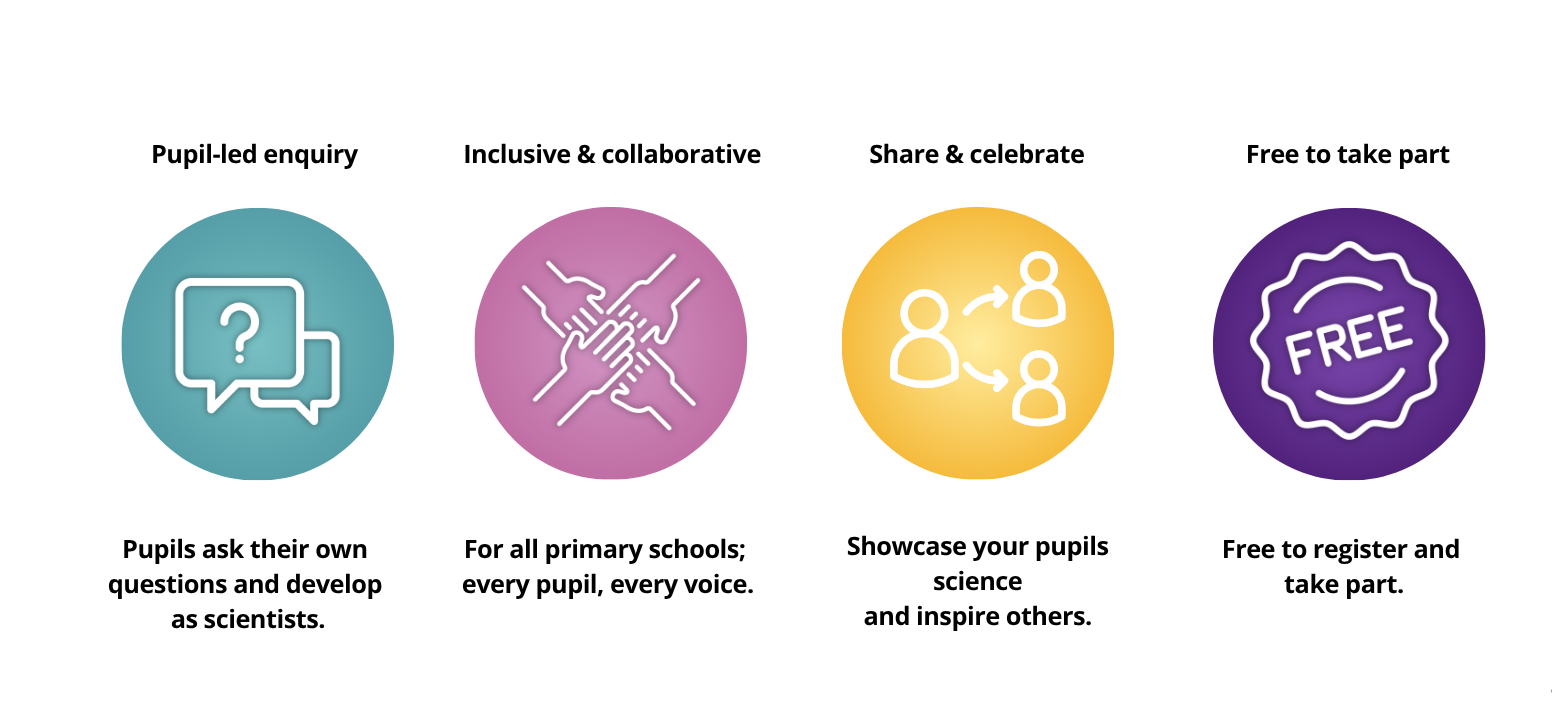
Why take part?
“I enjoyed taking part in the Great Science Share for Schools for the first time this year. It has given me the confidence to lead a whole-school project again... It has been rewarding to see the impact the activity has had upon our pupils and the skills that they have developed as a result.”
With your support
The profile of science enquiry has been raised
Pupils have had more time to be involved in practical work
Thousands of scientific questions have been investigated
There’s been 1,024,040 pupils registered
Teachers in 58 countries have engaged with professional development and high-quality resources since the launch of GSSfS!
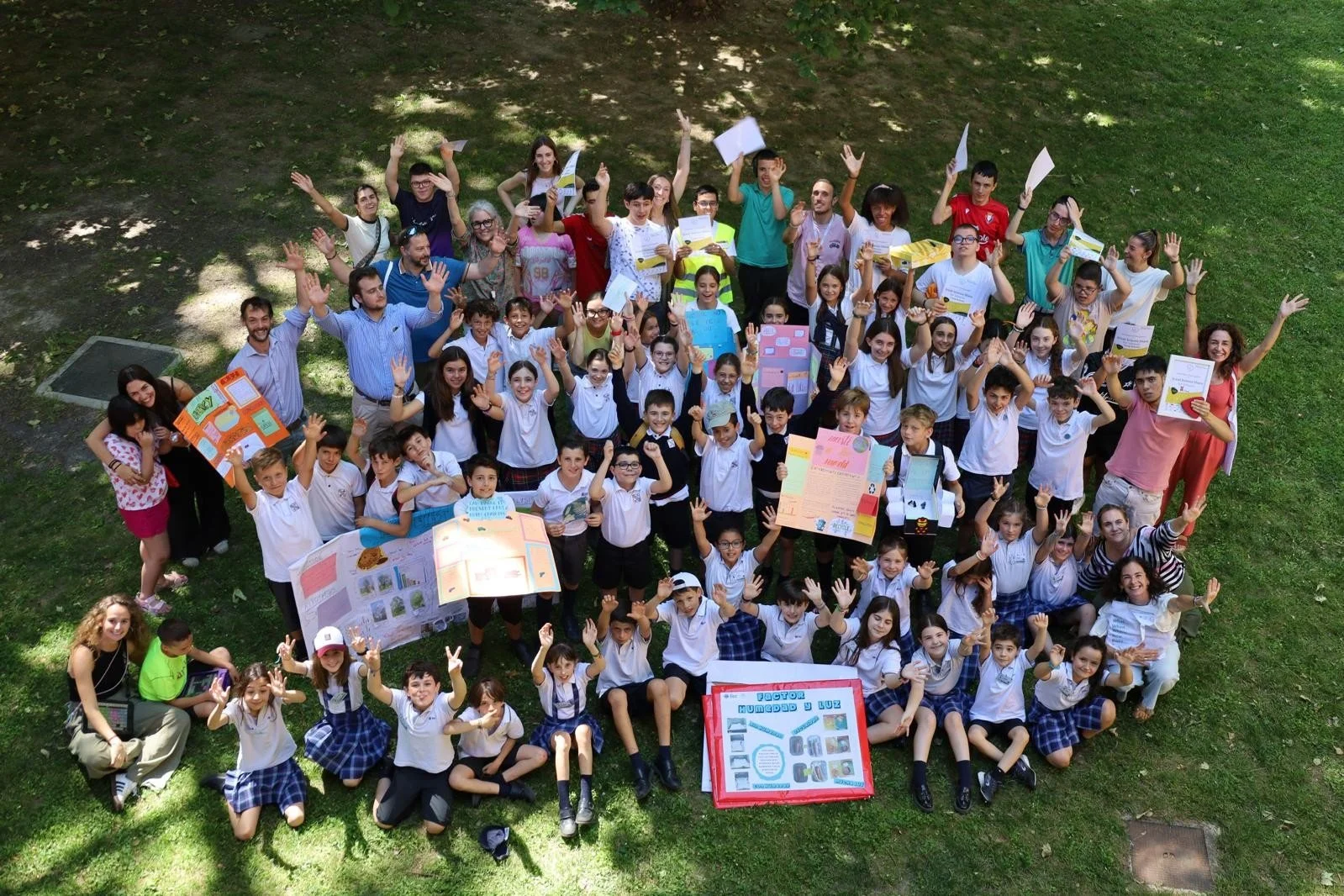
You made it happen again! Great Science Share for Schools 2026
A shout out to Brompton-Westbrook Primary School who registered taking the campaign over the 1 MILLION milestone. We are delighted to have you teachers and pupils involved.
Claire Hofer, Year 4 Teacher and Science Subject Leader explains, ‘We will be attending the showcase event at Discovery Park in Sandwich, Kent on 16th June! It is very exciting that the campaign has now reached over a million pupils internationally and we are very proud to be a part of that.’
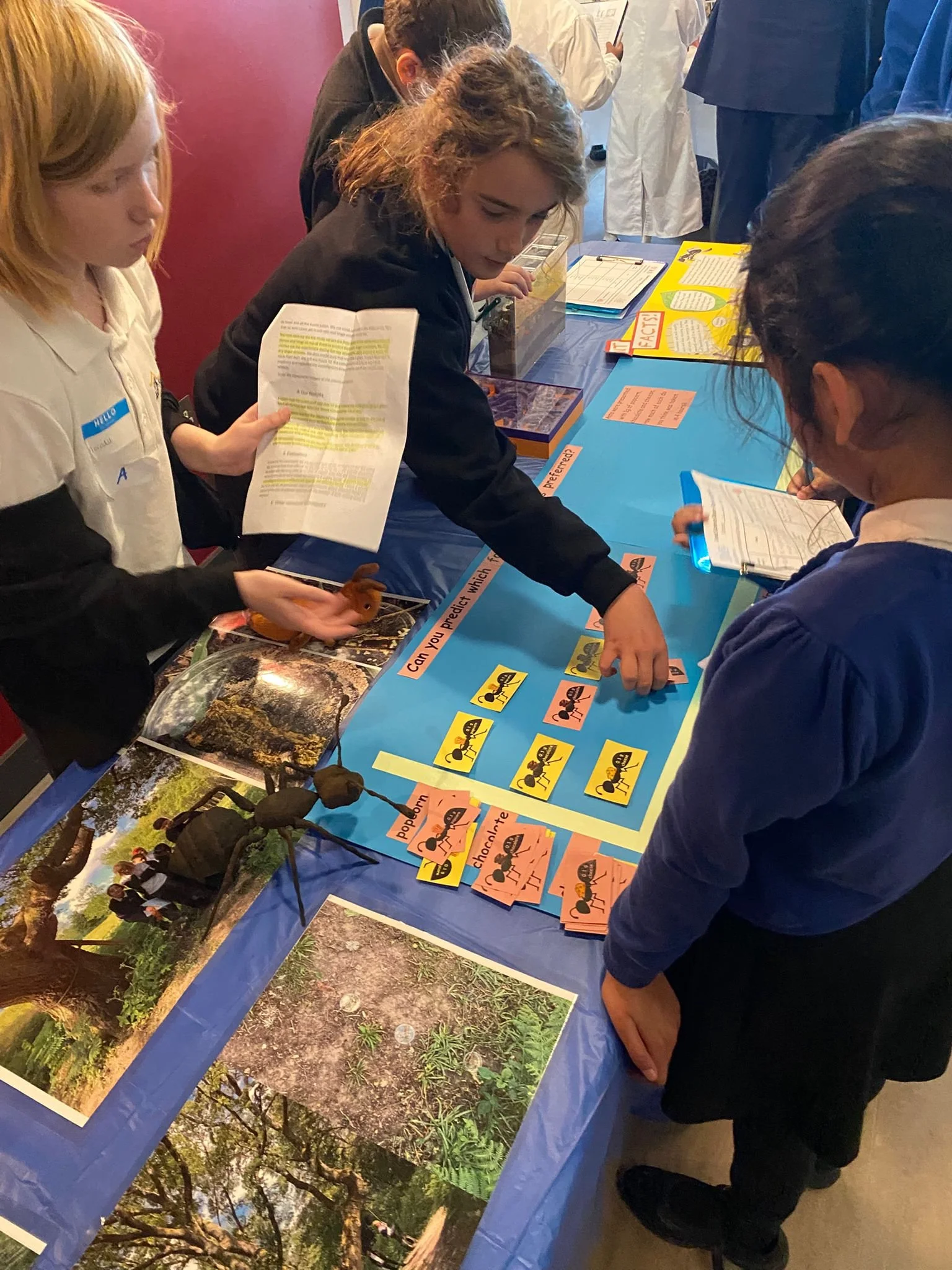
Improve the quality of working scientifically with 5-14 year olds using the award-winning Great Science Share for Schools campaign.
Providing teachers and educators anywhere with a programme of support and resources to improve the teaching and learning of science enquiry, culminating in an annual share day in the summer.
UK share date is 22nd June 2027 - encourage your pupils to share on or around this date.
PIONEERED IN MANCHESTER - MAKING A DIFFERENCE WORLD-WIDE
Access the new Great Guided Enquiries - model enquiry lessons for 5-7, 7-11 or 11-14 year olds.
Share day resources
〰️
Share day resources 〰️

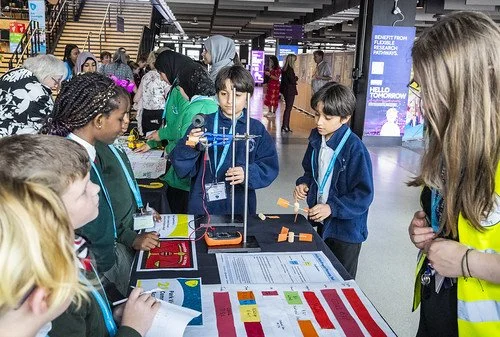
Resources to brand up your share activities, plus this year’s certificate!

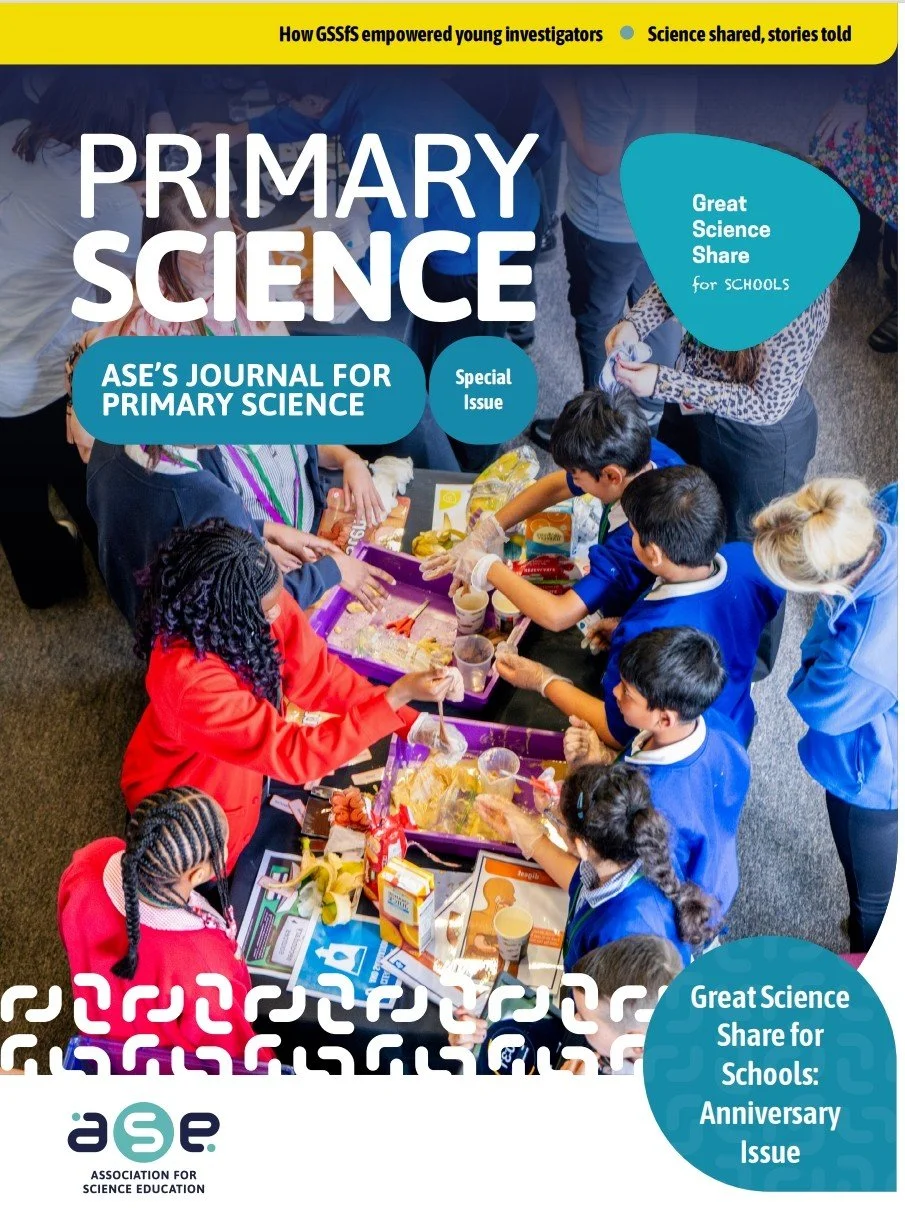
Learn about the impact GSSfS…
10 articles from teachers, science specialists and organisations who have empowered learners to ask, investigate and share scientific questions in a wide variety of ways.
Showcasing a wide range of science shares, this issue highlights what works when the campaign is embedded in schools and other educational settings.
GSSfS Guided Enquiries now offer you CREST awards too!
The Great Guided Enquiries are accredited by the British Science Association that means your pupils can now gain national recognition for their scientific curiosity and achievements through Star and SuperStar CREST Awards.
Read more about this here.
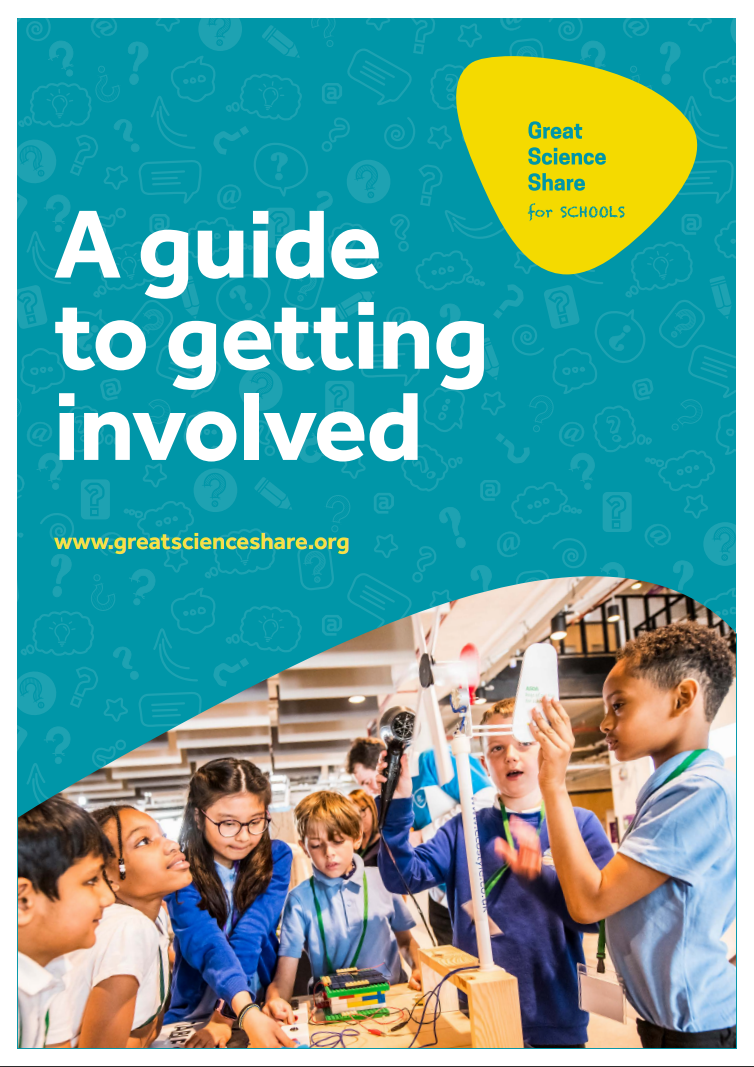

Teachers across the world are using Great Science Share for Schools to:
upskill themselves and colleagues in how to teach 5-14 year olds to work scientifically
provide pupils with authentic experiences to communicate science they’re interested in
enhance pupils’ resilience and curiosity
raise awareness of scientists and global issues into their classrooms